

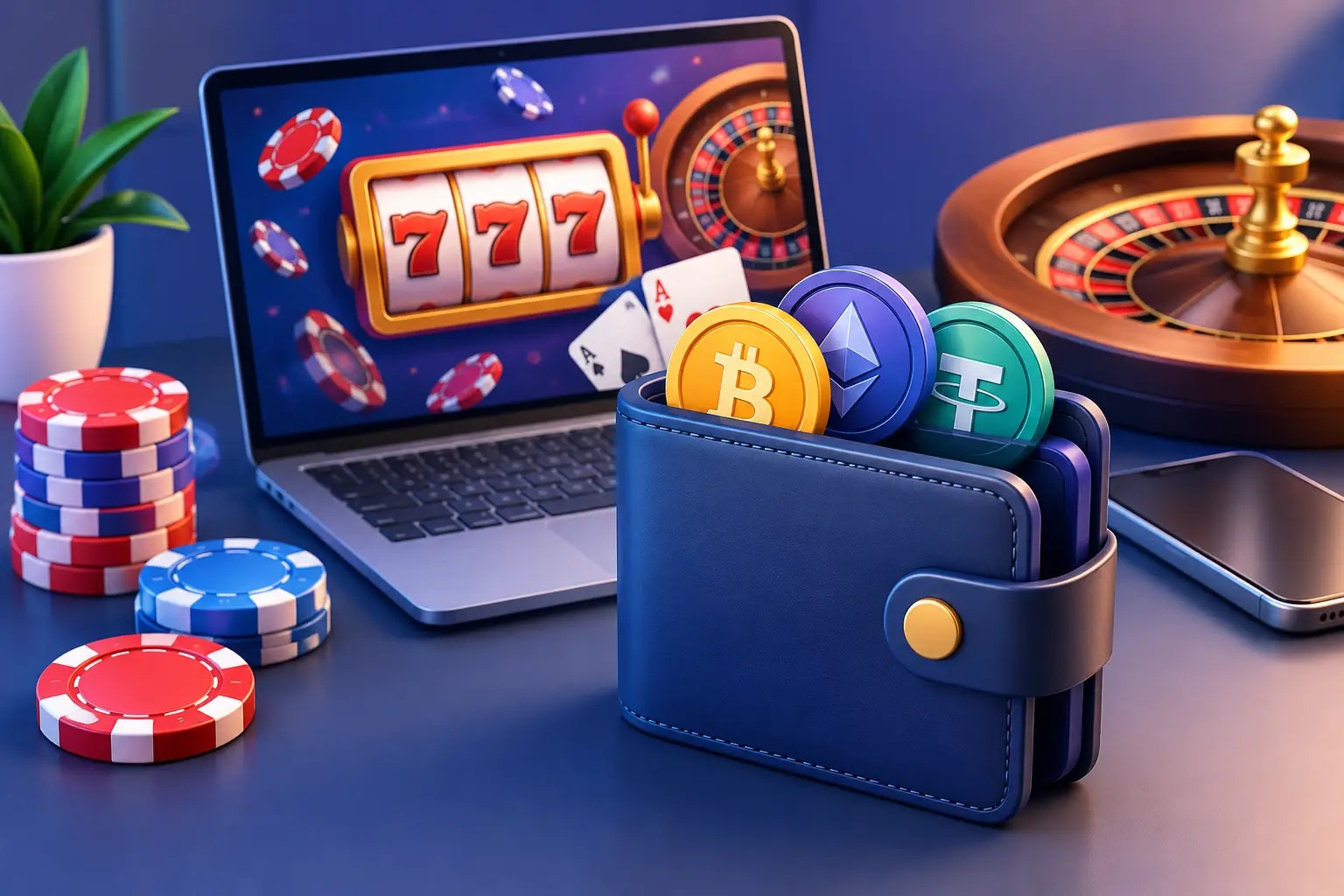
A big casino bonus can look great on the lobby page, but crypto payments only stay fast and low-friction when your wallet setup is right. Crypto wallets give casino players direct control over deposits and withdrawals, often without waiting on a bank or card processor. For players using Bitcoin, Ethereum, USDT, Litecoin, or other supported coins, that can mean more payment flexibility and quicker access to a winning balance.
The catch: a wallet is not just a button you tap before hitting Play Now. The wrong network, a lost recovery phrase, or an unverified casino payment address can turn a simple deposit into an expensive mistake. Here is what US players and global crypto casino fans should know before moving funds.
| Bitcoin casinos | Welcome bonus | Promo code |
|---|---|---|
| ⭐ Jack | 100 Free Spins No wagering | No promo code required |
| ⭐Metawin |  30% Extra on every deposit |
No promo code required |
| ⭐ Kripty | Up To 2250 USDT + 90 FS Welcome Bonus | No promo code required |
| ⭐ ZetCasino | 100% up to $500 + 200 FS + 1 Bonus Crab | No promo code required |
| ⭐ BC.GAME | Up to $20,000 Welcome Bonus | No promo code required |
| ⭐ Bitstarz | $500 or 5BTC + 180 Free Spins | No promo code required |
| ⭐ Wazamba | 100% Up To $/€500 + 200 Free Spins | No promo code required |
| ⭐ Verde Casino | 100% up to $1,200 Free Spins | No promo code required |
| ⭐ Metaspins | 100% Up to 1 Bitcoin (BTC) | No promo code required |
What Are Crypto Wallets?
Crypto wallets are tools that store the credentials needed to access and move cryptocurrency. They do not hold coins in the same physical way a traditional wallet holds cash. Instead, they manage your private keys, which prove that you can authorize transactions recorded on the blockchain.
Every wallet has one or more public addresses. This is the address you share with a casino when making a withdrawal, or the address you send funds from when depositing. Your private key and recovery phrase are different. They must remain private at all times. Anyone with either can potentially take control of your funds.
For casino players, a crypto wallet acts as the payment bridge between an exchange or personal holdings and a betting account. It can make deposits easier, but it does not replace basic checks around site reputation, licensing where applicable, bonus terms, and local eligibility rules.
The Main Types of Crypto Wallets
The best wallet depends on how often you play, how much you intend to keep available, and how much responsibility you are comfortable handling. There is no one-size-fits-all winner.
Custodial wallets
A custodial wallet is managed by a third party, commonly a cryptocurrency exchange. You can buy, sell, and send coins through the provider’s app, while the provider handles the underlying private keys.
This option can be convenient for newer players because account recovery, identity checks, and customer support may be available. The trade-off is control. Your ability to withdraw or move funds can be affected by the platform’s policies, account reviews, supported regions, or temporary restrictions. Never assume an exchange will allow gambling-related transfers in every location.
Non-custodial wallets
A non-custodial wallet gives you control of the private keys and recovery phrase. Software wallets on a phone or browser are popular for active players because they make it easy to send a deposit, receive a withdrawal, and monitor balances.
That freedom comes with a serious responsibility: if you lose your recovery phrase, there may be no support team that can restore access. Store it offline, never in a screenshot or email draft, and never share it with anyone claiming to be a casino agent, wallet representative, or crypto support specialist.
Hardware wallets
A hardware wallet is a physical device designed to keep private keys offline. It is usually the stronger choice for long-term storage or larger balances that do not need to be available for every session.
For regular casino activity, many players use a separate software wallet containing only a limited entertainment bankroll, while keeping the rest in more secure storage. This approach adds an extra step, but it can reduce the impact of a compromised phone, browser extension, or gambling-site account.
How to Choose a Wallet for Crypto Casino Payments
The first question is not which wallet has the flashiest interface. Ask whether it supports the currencies and networks used by the casino you want to play at. A casino may accept USDT, for example, but only on one specified network. Sending USDT through the wrong network can delay the payment or make recovery difficult or impossible.
Look for clear transaction details, strong security controls, and a record of supporting the coins you actually plan to use. For casino deposits and withdrawals, these features matter most:
- Support for the exact coin and blockchain network shown in the casino cashier
- Two-factor authentication, device protection, and transaction confirmations where available
- A clear way to copy, verify, and label receiving addresses
- Transparent network-fee estimates before you approve a transaction
- Backup and recovery options that you fully understand before funding the wallet
Stablecoins can be attractive because their value is designed to track a fiat currency, usually the US dollar. That may make bankroll planning easier than using a coin with rapid price swings. Still, stablecoins are not risk-free, and transaction fees vary sharply by network. Bitcoin and Litecoin may suit players who prefer established networks, while Ethereum-based transfers can be more expensive during busy periods. Compare the total cost, not just the casino’s advertised deposit minimum.
Making a Crypto Casino Deposit Without Costly Mistakes
Once you have selected a regulated or otherwise legally accessible operator for your location, open its cashier and choose cryptocurrency. The casino will display a deposit address, a supported network, and sometimes a QR code. Check all three before sending anything.
Copy the address directly from the casino cashier. Do not type it manually, and do not reuse an old address unless the operator specifically confirms it remains active. Some platforms generate a new address for each payment or coin type. Malware can also replace copied crypto addresses, so compare the first and last several characters after pasting.
For a first-time payment, send a small test transaction. It is not the most exciting move when you are ready to claim a welcome offer, but it is far better than sending a full bankroll to an incompatible address. Once the test arrives and credits correctly, you can make the larger deposit.
Blockchain transfers need confirmations before a casino credits them. That timing depends on the currency, network traffic, the casino’s internal policy, and the size of the payment. A fast blockchain does not guarantee an instant account balance. If a payment is pending, keep the transaction ID and avoid sending duplicate transfers unless support instructs you to do so.
Withdrawals, Bonuses, and the Fine Print
Crypto withdrawals can be a major attraction, but they are not automatically immediate or fee-free. Casinos may run security reviews, require account verification, set minimum withdrawal amounts, or process payments in batches. Read the cashier terms before you deposit, especially if quick access to winnings is a deciding factor.
Bonus terms deserve the same attention. A massive deposit match or free-spin package can come with wagering requirements, game contribution limits, maximum bet rules, country restrictions, or a cap on winnings from bonus funds. Some promotions exclude crypto deposits altogether, while others are built specifically for crypto players.
Use the exact withdrawal method and network required by the operator. If a casino sends USDT on a certain blockchain, your receiving wallet must support that version of USDT. A wallet can display the same token name while still being incompatible with the selected network.
At BETZEST, comparing payment methods alongside bonus value, game selection, and withdrawal rules helps cut through the headline offers. The top deal is only a top deal when the payment route works for your preferred coin and your actual playing budget.
Keep Your Gambling Wallet Separate
A dedicated wallet for gambling can make your records cleaner and your risk easier to control. Fund it with a fixed amount you can afford to lose, rather than connecting your full crypto holdings to every casino transaction. This also makes it simpler to see what you have deposited, withdrawn, won, or spent over time.
Crypto prices can move while you play. A win measured in coins may be worth more or less in dollars by the time you withdraw. Decide whether you are comfortable with that exposure. If not, using a supported stablecoin may provide more predictable bankroll tracking, though it still carries network, issuer, and platform risks.
Treat gambling as entertainment, not an investment strategy or a way to recover losses. Set a session limit before depositing, take a break when the fun stops, and use available deposit or time limits where offered. Only adults who are legally allowed to gamble in their jurisdiction should participate.
A Final Check Before You Hit Send
The strongest crypto casino payment routine is simple: verify the casino, verify the coin, verify the network, verify the address, then start with a small test. Keep your recovery phrase offline, leave only a controlled bankroll in your active wallet, and read the bonus and withdrawal rules before chasing the biggest number on the screen. That extra minute of caution protects the part of crypto gambling that matters most: keeping control of your funds while you enjoy the action.
Best Crypto Casinos

Metawin 🔥30% Extra on every deposit.
No KYC Instant payouts

Jack 🔥 100 Free Spins No Wagering Casino Welcome Bonus

Rainbet 🔥 250% Up To $/€2100 + 60 Free Spins


Spin io 🔥 100% Up To $100,000 Welcome Bonus

Rolletto 🔥 150% Up To €/$ 500 + 50 Free Spins

Thunderpick 🔥 100% Up To €/$ 2000 Casino Welcome Bonus

GreenLuck 🔥 100% Up To €/$ 500 + 200 FS + 1 Bonus Crab

€/$ 25 Free Bet + 100% Up To €/$100 Welcome Bonus

BohoCasino 🔥 Up to €/$2000 + 225 Free Spins

Betstro ✔️ 225% Up To €/$1500 + 500 FS

OhMyZino ✔️ 100% Up To €/$1000 Casino Welcome Bonus

Lussurio Casino 🔥 550% Up To €/$3300 + 400 FS

100% up to €/$300 & 20 Free Spins Welcome Bonus


Vincispin 100% Up To €/$ 500 + 350 FS

SG Casino 🔥 100% Up To €/$500 + 200 FS

Dolfwin 🔥 100% Up To €/$ 1000 Welcome Bonus

200% Up To $/€2700 +390 Free Spins

Spinzwin 🔥 10 Free Spins No Deposit On Book Of Dead

Sagaspins 🔥 125% Up To €/$ 1200

100% Up To €/$ 500 + 200 Free Spins
Bonus Code WEL500

Stakeduel 🔥 150% + 30 free spins on Aviator

Jackbit 🔥 100 Free Spins No Wagering

BC Game🔥150% UP TO $/€1,000 + 20 FB + 400 Free Spins Welcome Bonus

Vivaspin 🔥 100% Up To €/$5000 Welcome Bonus


Playfina ✔️ Up to $/€1000 + 600 Free Spins + Secret Bonus

Hercules Casino 🔥 300% Up to $\€1000 + 150 FS

100% Up To $/€500 + 25 Jackpot FS

100% Up To €/$500 + 200 Free Spins

Up to $/€6000 Casino Welcome Bonus

100% up to $/€ 500 + 200 Free Spins

Spinline 🔥 Up To €/$2000 + 800 Free Spins

StoneVegas 🔥 100% Up To €/$ 500 + 200 FS Welcome Bonus

Cadoola ✔️ Up To $/€800 + 300 Free Spins Welcome Bonus

Prontobet 🔥 200% up to €1,000 + 10% Daily Cashback


Gangsta Casino 🔥 320% Up to $\€3000 + 450 FS

Up to $/€1000 + 1 Bonus Crab

100% up to €/$500 + 200 Free Spins

Winzter 🔥 450% Up to €/$ 3000 Welcome Bonus

100% up to $/€1000 + 50 FS

200% up to €1,000 Welcome Bonus + 10% Cashback

CryptoSlots 🔥 177% Up To €/$500 WELCOME Bonus

200% UP To 100,000 USDT+ 500 FS


MondCasino 🔥 Get 100% Up To $/€500

Campeonbet 🔥 125% Up To 1200 Welcome Bonus


100% up to €/$500 + 200 Free spins + 1 Bonus Crab

FatFruit 100% up to $/€6500 + 550 Free Spins

Goldspin 🔥 100% Up To €/$ 3000 + 100 Free Spins

Lunubet 100% Up To €/$500 + 200 FS Welcome Bonus

100% Up to €/$500 + 200 FS + 1 Bonus Crab

Betplays 🔥 370% Bonus + 750 Free Spins + 75% Cashback Welcome Bonus

€/$500 or 5BTC+ 180 Free Spins

400% Up To €/$ 10000 + 300 Free Spins

100% up to €/$500 + 200 Free spins

Betizy.Io 100% Up To €/$100 + €25 Free Bet Welcome Bonus

100% Up To 1 BTC Welcome Bonus

450% Up To €/$ 6000 + 425 Free Spins

Up To €/$10000 + 450 Free Spins

100% Up to $/€750 + 200 FS + 1 Bonus Crab

EmirBet ✔️ Up to €/$ 1000 + 150 Free Spins Casino Welcome Bonus

Zodiacbet Up To $/€1000 + 100 Free Spins Welcome Bonus

Vegas Mobile Casino 200% Up To €/$ 500 + 50 FS

Energy Casino 🎰 100% up to €/$200 Welcome Bonus

Spinmama 🔥 100% Up To €/$ 500 + 150 FS

100% Up To €/$ 4500 + 350 FS Welcome Bonus

Librabet 100% Up To €/$ 500 + 200 FS + 1 Bonus Crab

Ritzo 300% Up To €/$1000 + 300 FS Welcome Bonus

WinGaga ✔️ 100% Up To €/$500 + 220 FS + Bonus Crab


Betfinal Up to €/$ 3000 Welcome Bonus

Rooli 🔥 10 FS No Deposit + Up to $\€4000 + 475 FS

Sportsbet.io 100% bonus up to 300 USDT Welcome Bonus

Punterz 200% up to €1,000 + 10% Daily Cashback

7BitCasino🔥 325% Up To €5400 + 250 FS Welcome Bonus

Spinfever 20 FS No deposit + €/$2000 + 200 FS

YYY ✔️ $5 Free No Deposit and $2200 Welcome Bonus

Powbet ✔️ 100% up to €/$500 + 200 Free spins

Bitcasino.io ✔️ Get Up To 5,000 USDT In Deposit Rewards

Winz.io 100% Free bet up to €100 - No Wagering

Betmaze 100% Up To €/$ 100 + €/$20 Free Bet


Winshark 240% Up To €/$ 2500 + 300 Free Spins

Big Dollar 🔥 Get 300% Up To $/€6000 + 55 Free Spins

Spinit 100% Up To €/$ 500 + 200 FS + 1 Bonus Crab

22Bet 100% Up to $/€300 Welcome Bonus

Monster casino Up To €/$/£ 1000 + 250 Free Spins

Katsubet 100% Up To 5 BTC + 200 FS Welcome Bonus

Black Lotus 🔥 Get 300% Up To $/€7000 + 45 Free Spins

JumbaBet 300% Up To $/€5000 + 45 Free Spins On Cheeky Chimp

SpinBetter ✔️ 100% $/€1500 + 150 Free Spins.


20Bet 100% Up To €/$120 + 120 Free Spins

Fruity King 100% Up To €/$/£ 100 + 50 Free Spins

100% Up To €/$ 2000 Welcome Bonus

LuckyOnes 100% Up To €/$ 20000 + 500 FS

Up to €/$ 2000 + 200 FS Casino Welcome Bonus

Bizzo Casino 🎰 125% Up To €/$ 1250 + 125 Free Spins

WinWinBet 200% Up To €/$ 1200 + 150 Free Spins

Betlabel 100% Up To €/$1500 + 150 Free Spins

Unibet ✔️ €40 Money Back On Your First Bet + €10 Casino Bonus

Gizbo 150% Up to €500 Welcome Bonus

200 freespins i casinots fetaste spel – Sweet Bonanza


Joker8 100% Up To €/$500 + 200 Free Spins

100% Up To $/€500 + 200 FS Welcome Bonus

Casombie ✔️ 370% up to 3000 EUR + 300 spins

RollingSlots 300% Up To €/$ 3000 + 300 FS

DragonSlots 225% Up To €/$2250 + 200 Free Spins

National Casino 100% Up To €/$ 100 + 100 FS

BitcoinVIP 🔥 100% Up To €/$1000 Welcome Bonus

LuckyDreams 🔥 Up To €/$ 10,000 + 500 Free Spins

Horus Casino No Wagering : 250% up to 1000€ + 125 free spins

Slotvibe🔥 200% up to €/$500 or 1 BTC

Nine Casino ✔️ Up To €/$450 + 250 Free Spins

200% Up To €/$1000 + 10% Daily Cashback

Up to $/€1,111 Welcome Package + 300 Spins

Alfobet ✔️ Get €/$20 Free Bet and 100% Up To €/$100 Bonus

BetOnRed $/€450 + 250 free spins

Betzard ⚽️ 250% Up To €/$ 4000 + 350 FS Welcome Bonus

BDMbet ✔️ Up To €/$450 + 250 Free Spins

Betrino 200% Up To €/$/£ 50 Welcome Bonus


Zinkra 🔥 100% Up To €/$ 800 + 100 FS

CryptoLeo 🔥 150% deposit match up to 3,000 USDT + 25% Rakeback

100% Up To €/$ 750 + 75 FS Casino Welcome Bonus

100% up to €/$250 Welcome Bonus

Seven Casino 🎰 Up To €/$ 7500 + 10% Cashback

VIPCasino 100% Up To $/€3477 + 77 Free Spins

275% Up To €/$ 3000 + 265 Free Spins


350% Up To €/$ 11500 Casino

100% Up To €/$ 1200 + 350 FS

Sirwin 🔥 100% Up To $/€250 Welcome Offer

Dunder ✔️ 100% up to €/$600 & 50 Free Spins Welcome Bonus

Bull Casino ✔️ 200% up to $/€5,000 + 250 free spins

WeBet360 ⚽️ 100% Up To €/$1000 Welcome Bonus

MrBit ✔️ 100% UP TO $/€500 + 50 Free Spins

100% Up To €/$ 1000 Welcome Bonus

Lala.bet 200% Up To €/$ 1000 + 150 FS

MrPlay 100% Up To $/€200 + 100 Free Spins Welcome Bonus

Willbet 🔥 5 FS No Deposit + 300% Up To €/$5000 + 500 FS

Wins Royal 🎰 Up To €/$ 2500 + 200 FS On BigBassBonanza

€/$5 No deposit Code: CHIP-TASTIC

MotherLand Casino ✔️ Get 500 Free spins

MegaPari 100% up to $1500 Welcome Bonus

PIN - UP 🔥 120% up to €500 + 250 FS Welcome Bonus

Awards & Recognition
Recognized within the iGaming industry for contributions to affiliate marketing, casino reviews, sportsbook analysis, and trusted gambling content.